December 26th, 2023 | Updated on November 4th, 2025
5 Key Takeaways: How Sideloading Will Change After Google’s Settlement
- Easier Sideloading on Android
- Alternative Billing Options in Play Store
- Pressure from Regulators and Politicians
- OEMs Can Provide App Store Options
- Financial Settlement
In September, Google settled a lawsuit with over 30 US states related to its Play Store and Android practices.
While the terms were initially undisclosed, Google has now revealed them in a blog post.
As part of the settlement, Google confirmed that it will simplify the process of sideloading apps on Android and update the language used to warn users about potential risks.
Currently, when users attempt to sideload an app via another app (such as Chrome or Files), Google provides a pop-up menu.
This menu doesn’t directly enable sideloading but instead includes a “settings” button, leading to a second screen where users can enable sideloading.
According to Google, these two “flow” screens will be combined into one, streamlining the process and creating a more user-friendly experience.
Additionally, Google may use specific language or a “substantial” equivalent to convey information about the risks associated with sideloading apps.
These changes aim to enhance user convenience and transparency in the sideloading process on Android devices.
Read More: How To Limit Google??
Alternative Billing And Other Settlement Terms
In addition to making sideloading easier, Google’s settlement with over 30 US states includes several other significant terms.
One notable change is the introduction of alternative billing options in the Play Store for in-app purchases.
This means developers will have the option to provide users with different pricing choices within the app, such as offers through the developer’s website or a third-party app store.
Google emphasized that it had been testing alternative billing in the United States for over a year.
This move, along with the implementation of alternative billing in other markets, was influenced by pressure from regulators and politicians.
The settlement addresses the issue of third-party app stores, stating that they have always been allowed on Android devices, and original equipment manufacturers (OEMs) can continue to offer users the choice of using the Play Store or another app store right out of the box.
Furthermore, Google highlighted changes in Android 14 designed to enhance functionality for third-party app stores, indicating a commitment to fostering a more competitive app ecosystem.
As part of the settlement, Google will pay approximately $700 million, with $630 million allocated to a settlement fund for consumers and $70 million to a fund for the states involved in the legal proceedings.
This financial component represents a significant aspect of resolving the legal dispute and addressing concerns raised by the states and regulators.
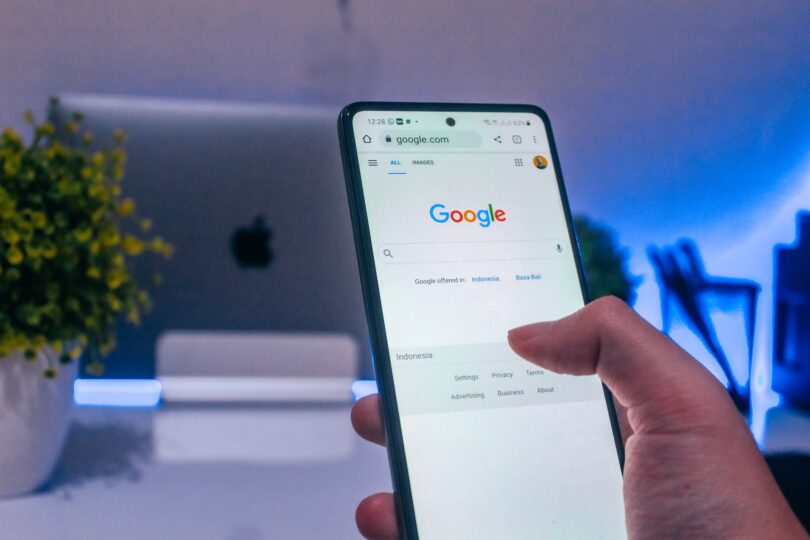
Feature Image Source: Arkan Perdana