Published on October 13th, 2026
Top UX Audit Services Providers for Digital Products in 2026
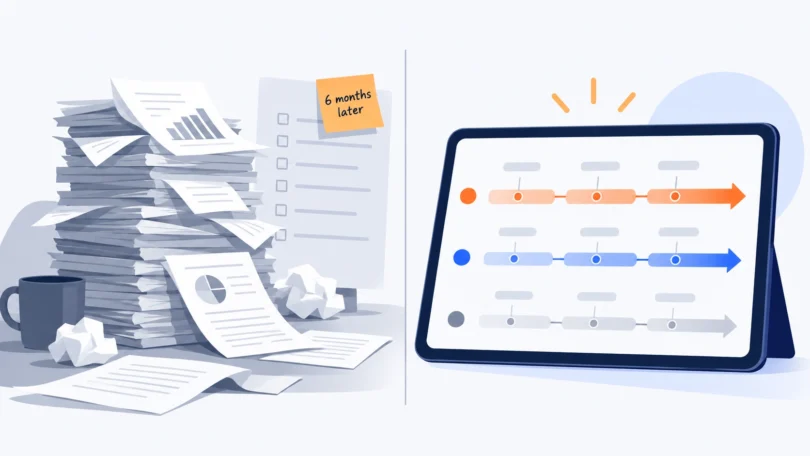
UX audits have a filing problem. The report arrives, the team spends two weeks debating findings, and six months later the same interface problems are still there. Usually not because the audit was wrong — because it wasn’t organized around what each problem is actually costing, so nobody could agree on what to fix first.
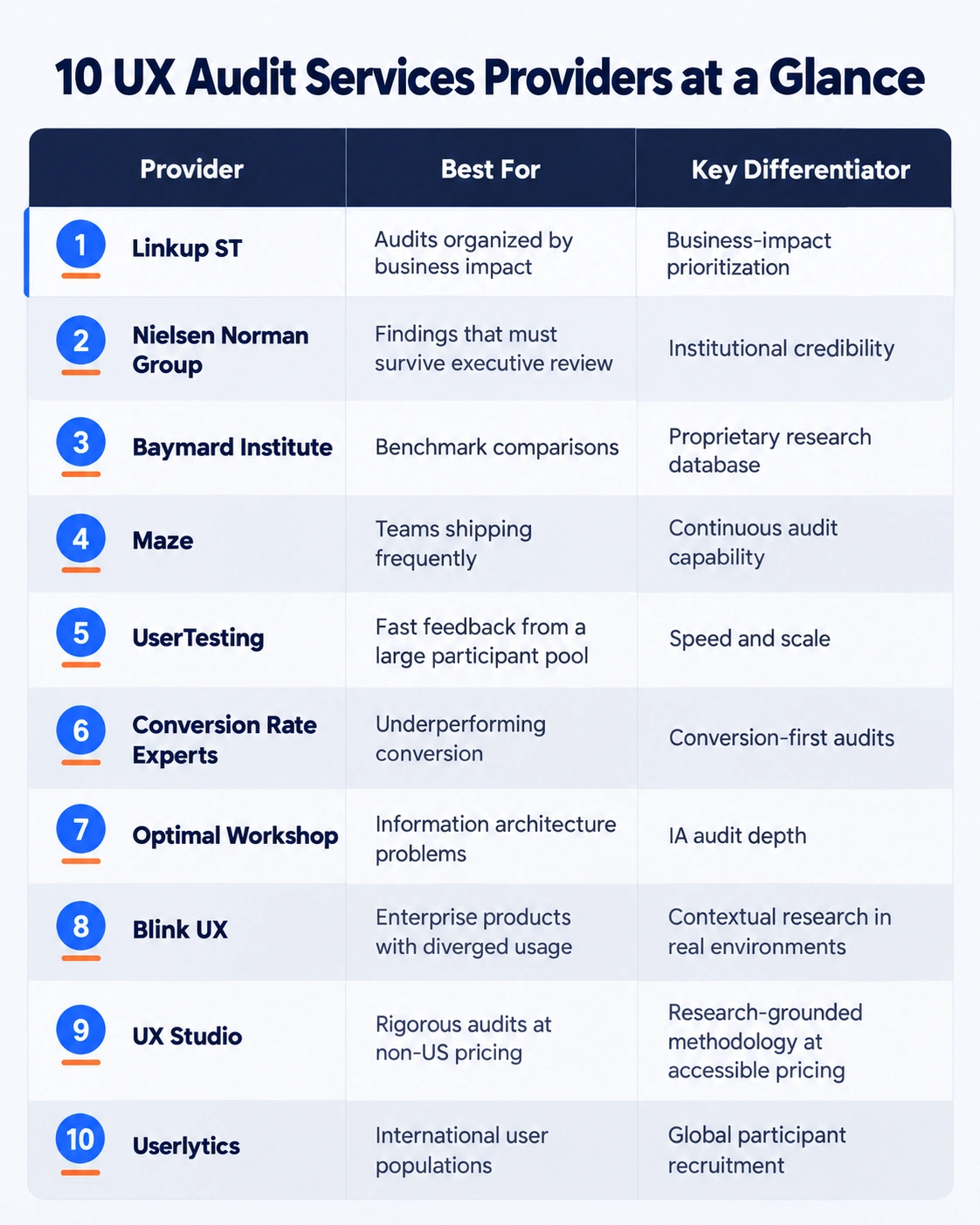
The ux audit services providers on this list approach the prioritization problem differently.
1. Linkup ST
Website: linkupst.com/design
Location: New York, NY / Europe
Focus: UI/UX Design, UX Audit Services, Conversion Optimization
Best for: Digital product companies needing audits organized around business impact rather than heuristic severity
Linkup ST’s UX audits start from behavioral data — funnel metrics, session recordings, heatmaps — to find where the interface is actually losing users before anyone opens a heuristic checklist. The Emotional-Functional Framework maps findings across three levels: visceral (first impression credibility), behavioral (task completion), reflective (does the product make users feel capable). Each level surfaces different problems. Each needs different evidence.
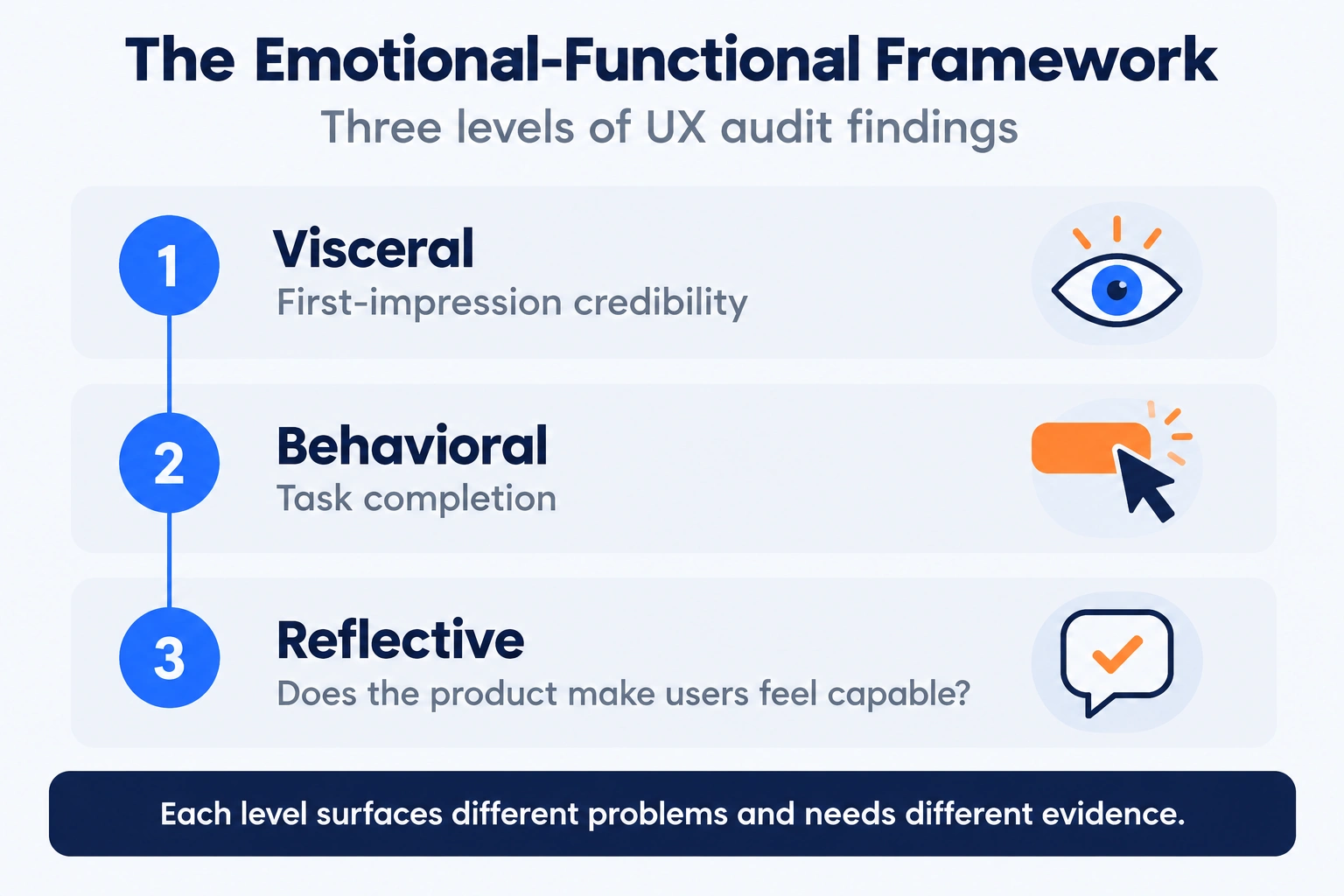
What comes out isn’t ranked by severity. It’s ranked by business impact — which problems sit on the critical activation path, which are driving support volume, which are invisible in aggregate metrics but killing a specific user segment. The output is a prioritized roadmap, not a list.
Their usability testing services run alongside audit work to validate findings with real users rather than leaving them as evaluator assessments.
Key differentiator: Business-impact prioritization — audit findings connected to specific metrics before they earn a recommendation
2. Nielsen Norman Group
Website: nngroup.com
Location: Fremont, CA (distributed)
Focus: UX research, consulting, UX audits, training
Best for: Organizations where audit findings need to survive skeptical executive review
NN/g wrote the methodology most UX audits are based on. Their institutional credibility changes the organizational dynamic around audit findings — harder to dismiss, easier to get budget approved based on. For organizations where the blocker isn’t knowing what’s wrong but getting leadership to act on it, that credibility is the actual value.
Key differentiator: Institutional credibility that changes how findings get received internally
3. Baymard Institute
Website: baymard.com
Location: Remote
Focus: UX research and audit for e-commerce and digital products
Best for: Digital product companies that want benchmark comparisons alongside audit findings
Baymard has run large-scale UX research on e-commerce and digital product usability for years. Their audits draw on that database — so findings aren’t just “this is wrong” but “this is wrong and here’s how it compares to what works across 500+ similar interfaces.” For products where the question is competitive positioning rather than just fixing obvious problems, that benchmark context matters.
Key differentiator: Proprietary research database — benchmark comparisons alongside heuristic findings
4. Maze
Website: maze.co
Location: Remote
Focus: User research and UX audit platform
Best for: Product teams that ship frequently and need audit capability between major releases
Maze is a platform rather than an agency — prototype testing, usability testing, card sorting, tree testing available on demand. For teams with fast release cycles, waiting for a periodic external audit means shipping problems that could have been caught earlier. Their model puts audit capability inside the product development process rather than outside it.
Key differentiator: Continuous audit capability — built into product development rather than scheduled externally
5. UserTesting
Website: usertesting.com
Location: San Francisco, CA
Focus: UX research and audit platform
Best for: Teams needing fast audit feedback across a large, diverse participant pool
1M+ panel participants. AI-powered theme analysis. For teams that need to validate audit findings quickly — or test whether a proposed fix actually solves the problem before shipping it — their speed and scale change what’s possible in the time available. Less depth per session than moderated research, more breadth and speed.
Key differentiator: Speed and scale — broad participant pool with AI analysis for fast evidence
6. Conversion Rate Experts
Website: conversion-rate-experts.com
Location: Remote
Focus: Conversion optimization and UX audit services
Best for: Digital product companies where the audit is commissioned because conversion is underperforming
CRE organizes audit findings around one question: where is the interface losing people who intended to convert? Their methodology combines behavioral analysis, heuristic evaluation, and conversion research specifically to produce revenue impact findings. For teams that need to justify the audit budget in conversion terms, their focus is directly on that problem.
Key differentiator: Conversion-first audit — organized around revenue impact from the start
7. Optimal Workshop
Website: optimalworkshop.com
Location: New Zealand (remote)
Focus: UX research tools and audit services
Best for: Products where the audit finding is primarily about information architecture
When users can’t find things — not because the visual design is poor but because the structure doesn’t match how they think — Optimal Workshop’s tree testing and card sorting methodology makes that problem quantifiable rather than debatable. IA problems are notoriously hard to prove to skeptical stakeholders. Their methodology produces numbers.
Key differentiator: IA audit depth — information architecture problems made quantifiable
8. Blink UX
Website: blinkux.com
Location: Seattle, WA (multiple offices)
Focus: UX research and design for enterprise software
Best for: Enterprise products where designed use and actual use have diverged significantly
Blink observes users in actual work environments — not research labs. For enterprise products that have been in use for years, users have developed workarounds, unofficial processes, and habits that look nothing like the designed flow. Lab-based testing finds what’s hard to use. Contextual research finds what users have stopped trying to use — which is usually a more expensive problem.
Key differentiator: Contextual research in real environments — finds abandoned workflows, not just difficult ones
9. UX Studio
Website: uxstudio.com
Location: Budapest / Remote
Focus: UX design and research for digital products
Best for: Digital product companies needing thorough audit methodology at non-US pricing
UX Studio combines heuristic evaluation, behavioral data analysis, and usability testing in comprehensive audit engagements. The methodology depth is comparable to US-based providers; the pricing isn’t. For digital product companies that need rigorous audit work and have a realistic budget for it, that combination is worth evaluating.
Key differentiator: Research-grounded methodology at accessible pricing
10. Userlytics
Website: userlytics.com
Location: Miami, FL (remote)
Focus: Usability testing and UX audit platform
Best for: Products serving international users where single-market audit findings miss significant user populations
Userlytics recruits globally. Moderated and unmoderated testing, eye tracking, multiple device types. For products where a US-only participant pool would produce audit findings that don’t reflect how a significant portion of actual users experience the interface, their global reach changes what the audit can find.
Key differentiator: Global participant recruitment — findings that reflect actual international user populations
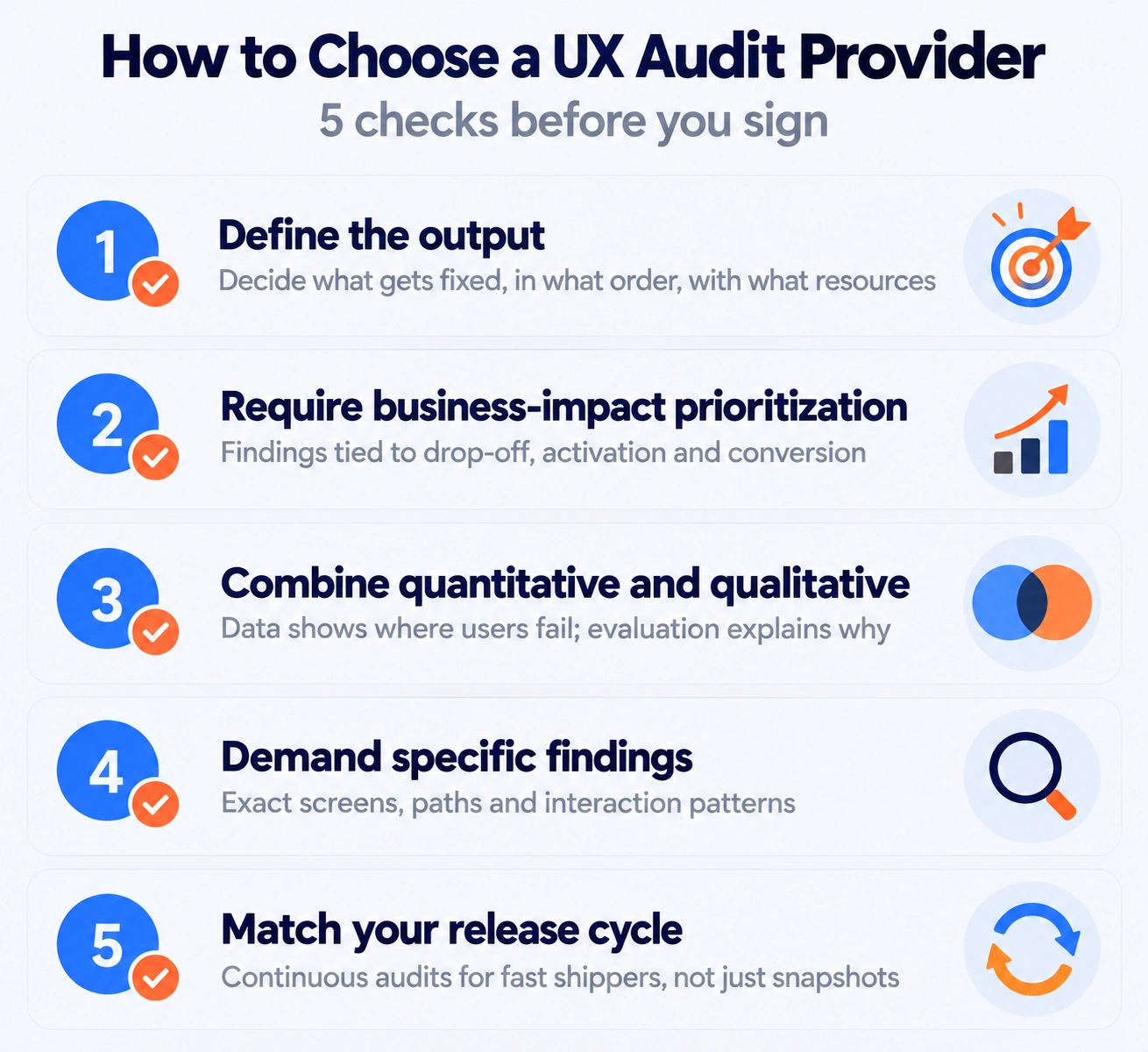
How to Choose UX Audit Services Providers
Define what the audit output needs to enable
A usability problem list isn’t a prioritized roadmap. Before briefing anyone, define what decisions the audit needs to support — what gets fixed, in what order, with what resources. That determines which providers are relevant and what methodology they need to use.
Require business-impact prioritization
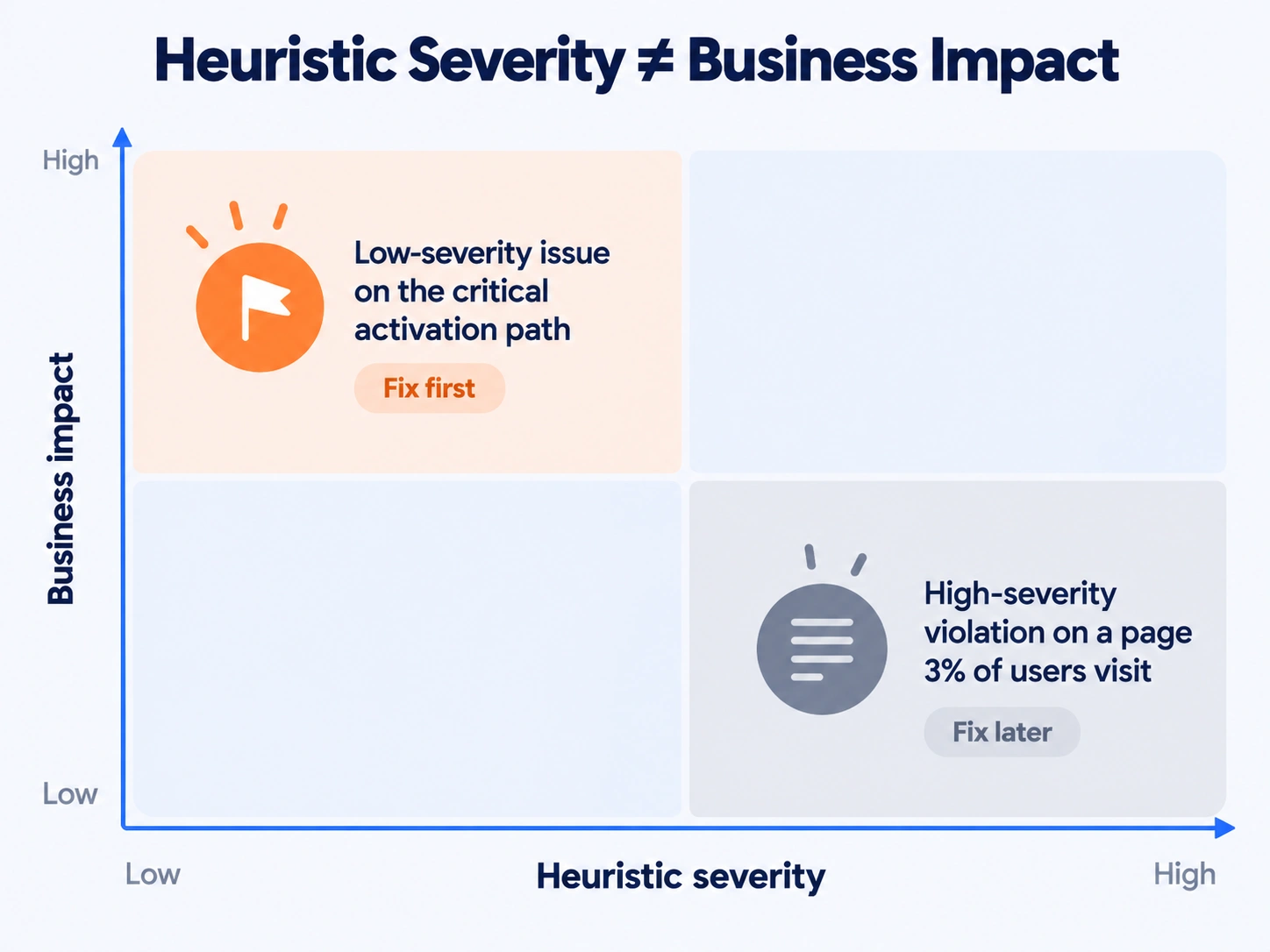
Heuristic severity isn’t business impact. A low-severity issue on the critical activation path matters more than a high-severity violation on a page 3% of users visit. Ask how providers connect findings to metrics — drop-off rates, activation impact, conversion. Providers that can make that connection produce audits teams actually act on.
Combine quantitative and qualitative methodology
Behavioral data shows where users fail. Heuristic evaluation explains why. Audits that rely on one without the other either find problems without diagnosing them, or diagnose problems without knowing how often they occur. Ask how providers balance both approaches and what data sources they pull from.
Look for specific findings, not general observations
“Navigation is confusing” gives a product team nothing to act on. “52% of users who reach the pricing page don’t find the comparison table and exit” does. Ask how providers structure findings — specific screens, specific paths, specific interaction patterns where problems occur.
Match audit model to your release cycle
One-time audits produce snapshots. For products shipping weekly, a snapshot from six months ago describes something different. Providers with continuous audit capability or platform-based testing fit fast-shipping teams better than those offering only periodic external engagements.

Team Newszii is composed of individuals with professional backgrounds in content writing. We specialize in writing on a variety of topics including Lifestyle, Entertainment, Humor, Women, Food, Travel, Technology, and Blockchain Technology. Our team is driven by a passion for creating unique, accurate, and engaging content.